The first panic attack happened in a Trader Joe's on a Tuesday afternoon. I was reaching for a jar of pasta sauce when my heart began hammering so hard I thought it was going to crack a rib. My vision narrowed. The fluorescent lights felt like they were pressing down on me. I abandoned my cart and walked — then ran — to my car, where I sat shaking for twenty minutes before I could drive home.
I told myself it was a fluke. Stress from work. Too much coffee. I went back to the same Trader Joe's the following week to prove a point to myself, and the same thing happened. This time I didn't make it past the entrance.
Over the next six months, the world got smaller. First it was grocery stores. Then any store. Then restaurants. Then the street outside my apartment building. By the time I was thirty-one years old, I was ordering everything online and working remotely, and I had constructed an elaborate set of reasons why this was actually fine — even preferable. I told friends I was an introvert. I told my family I was busy. I told myself I was just being careful.
What I didn't tell anyone was that the thought of leaving my apartment produced a physical sensation I can only describe as impending doom. Not anxiety exactly — something more primal. My nervous system had decided that the outside world was a place where terrible things happened, and no amount of rational argument could override that verdict.
The turning point came when my younger sister got engaged and asked me to be her maid of honour. The wedding was in Seattle, four hours away. I sat with the invitation for three days before I called her and, for the first time, told her the truth.
She didn't say 'just push through it' or 'it's all in your head.' She said: 'Okay. Let's figure this out together.' She found me a therapist who specialised in agoraphobia and panic disorder. His name was Dr. Reyes, and his office was, mercifully, a ten-minute walk from my apartment.
The first session, I made it to the lobby of his building before turning around. He met me in the lobby for our second session. By the third, I made it to his office. We spent four months doing something called interoceptive exposure — deliberately triggering the physical sensations of panic in a safe environment, so my brain could learn that racing heart and dizziness were not, in fact, signs of imminent death.
Then we started going outside together. First to the corner. Then to the end of the block. Then to a coffee shop two streets away. Each time I wanted to flee, Dr. Reyes would say: 'Stay with it. The wave will break.' And it always did. The panic would peak, hold, and then — slowly, impossibly — subside.
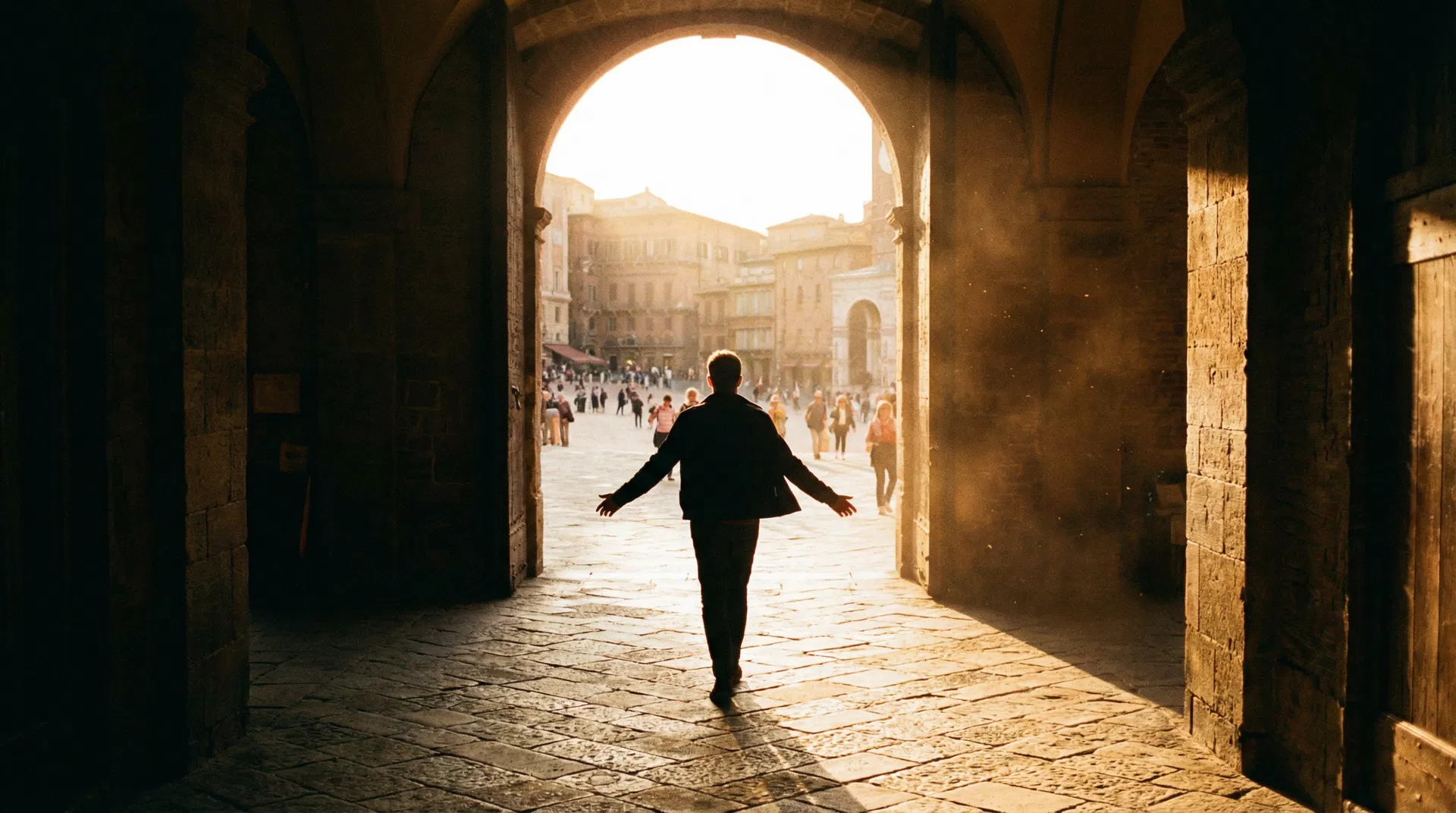
I made it to my sister's wedding. I cried through the whole ceremony, but not from sadness. I stood in a room full of people in a city I hadn't visited in three years, and I was still standing. That felt like the most extraordinary thing I had ever done.
I won't pretend the recovery was linear. There were setbacks — a particularly bad panic attack in an airport that sent me back to near-housebound for six weeks. There were days when the progress felt glacial and the old life felt impossibly far away. But I kept going back to Dr. Reyes, kept doing the exposures, kept choosing the harder path.
I'm writing this from a coffee shop in Portland. I came here on the bus. I ordered at the counter. I've been sitting here for two hours, and my heart rate is completely normal. Three years ago, this would have been unimaginable. Today it's just a Tuesday.