I used to be a confident flyer. I took my first solo flight at nineteen, backpacked through Southeast Asia at twenty-two, and thought nothing of jumping on a plane for a long weekend. Then, at twenty-eight, I was on a flight from London to Edinburgh when we hit severe turbulence over the Pennines. The plane dropped what felt like hundreds of feet. Oxygen masks deployed. A woman two rows ahead screamed. The man next to me grabbed my arm. We landed safely. Everyone was fine. But something in my brain had been permanently rearranged.
For the next seven years, I did not fly. I took the Eurostar to Paris. I drove to Edinburgh. I declined a promotion that would have required regular trips to New York. I told people I preferred trains. I did not tell them that the thought of boarding a plane produced a physical sensation like being buried alive.
The job that changed everything was at a consultancy that worked with clients across three continents. The role was exactly what I had been working towards for a decade. The hiring manager was direct: 'This role requires travel. Mostly transatlantic. Are you comfortable with that?' I said yes. Then I went home and had a panic attack.
I had six weeks before my first required trip — a four-day conference in New York. I spent the first two weeks in denial. Then a week researching sedatives. Then, in the final three weeks, I found a course called 'Flying Without Fear' run by British Airways, and I signed up.
The course was a revelation. A former RAF pilot spent three hours explaining exactly what turbulence is (air moving at different speeds, not a structural threat to the aircraft), what the sounds of a plane mean (the clunks and whirrs I had always interpreted as imminent disaster were completely routine), and what the statistics actually say about commercial aviation safety.
I learned that the odds of dying in a car accident are approximately 1 in 100 over a lifetime. The odds of dying in a commercial plane crash are approximately 1 in 11,000. I drive to work every day without thinking about it. I had been treating the far safer activity as an existential threat.
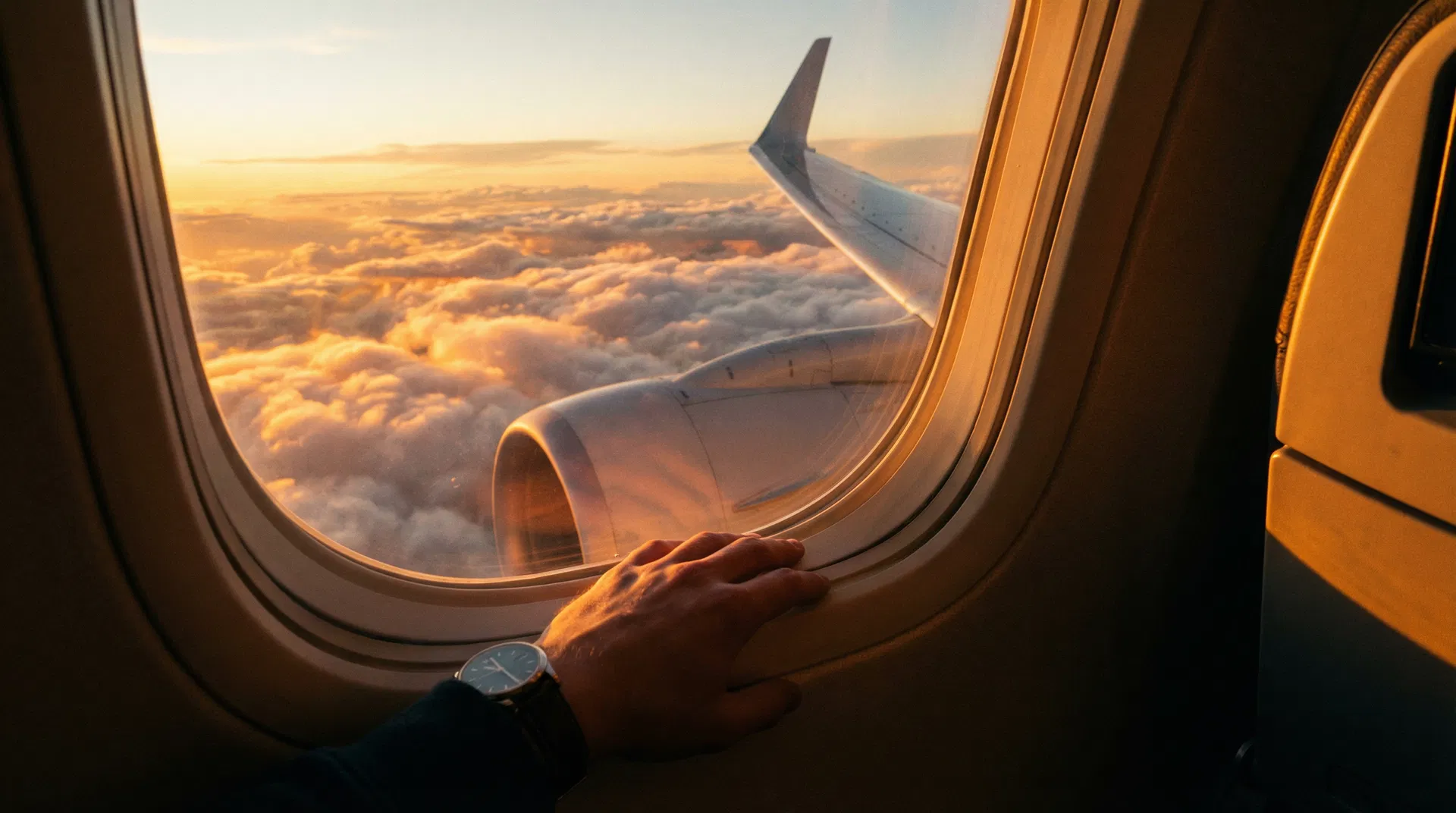
The course ended with a short flight from Heathrow to Manchester. I sat in my seat with my hands gripping the armrests, doing the breathing exercises the course psychologist had taught me, and I did not die. The turbulence over the Midlands made my stomach lurch, but I had a framework now — I knew what it was, I knew it wasn't dangerous, and I had a technique for managing the fear response.
The New York flight six weeks later was the hardest thing I had done in years. I cried quietly for the first hour. I used every technique I had been taught. I watched three films I had already seen. I landed at JFK at six in the morning, took a taxi to my hotel, and sat on the bed feeling something I hadn't felt in seven years: pride.
I have now taken forty-three flights in the past two years. I still feel anxious during turbulence. I still grip the armrests during takeoff. But the fear no longer runs my life, and that is the only thing that matters.